Research
Research Thrusts
Three connected steps of one loop.
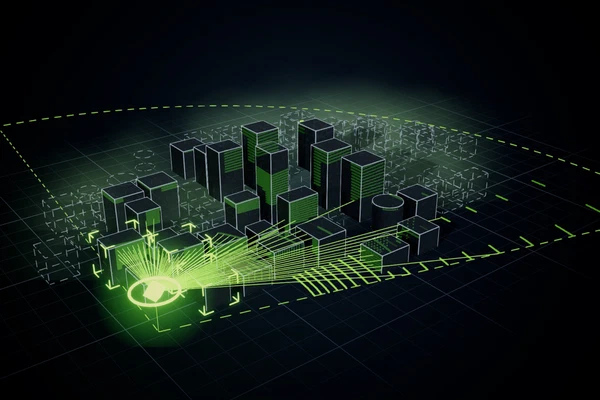
Energy-System Perception & Observability
What information is sufficient for reliable energy decisions?
We investigate how incomplete observations affect energy-state estimation and how active sensing can provide decision-relevant information.
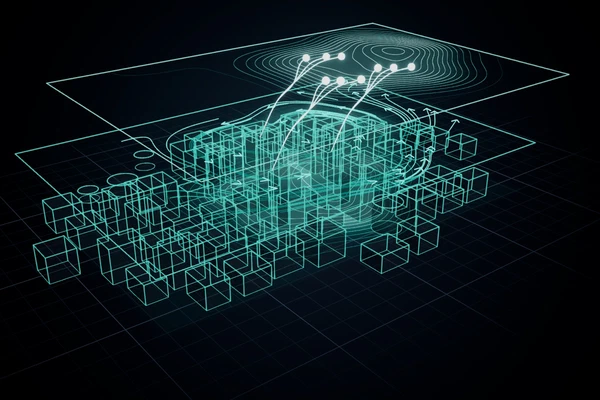
Physics-Grounded Energy World Models
How do energy systems respond to changes and actions?
We develop physics-grounded world models to predict energy-system dynamics and action consequences under uncertainty and physical constraints.
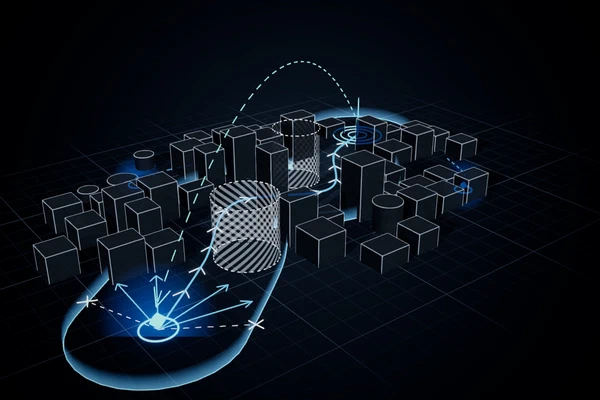
Energy-Constrained Embodied Decision & Control
How can energy agents act safely and adaptively?
We investigate autonomous, energy-constrained decision-making and control, connecting intelligent planning with physical actions and feedback-driven adaptation.
Flagship Research Scenarios
Embodied Intelligence in Energy Systems
A unified embodied intelligence framework across diverse energy systems, physical constraints, and feedback dynamics.
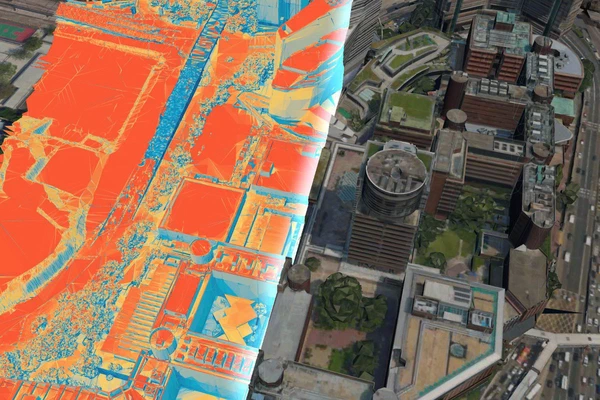
Autonomous Urban BIPV & Solar–Storage Systems
Integrating active urban sensing, physics-grounded solar assessment, building-integrated photovoltaics, and adaptive energy management. We investigate how intelligent sensing, physical world models, and autonomous control enable more reliable renewable energy assessment, deployment, and operation in complex urban environments.
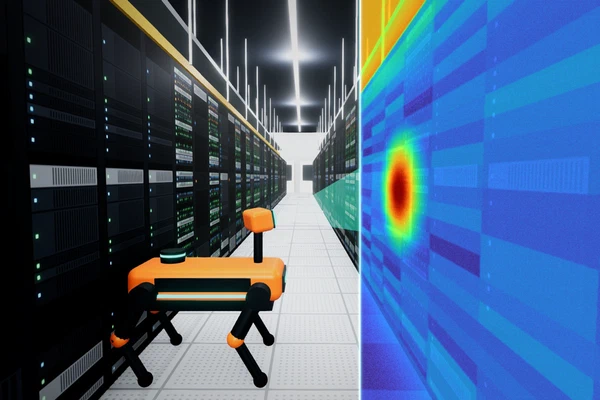
Embodied Intelligence for Data Center Energy & Cooling
Integrating indoor spatial perception, BIM-informed energy–thermal world models, autonomous inspection, and adaptive cooling control. We investigate how intelligent agents interact with physical data center environments to improve energy efficiency, thermal management, and operational reliability.
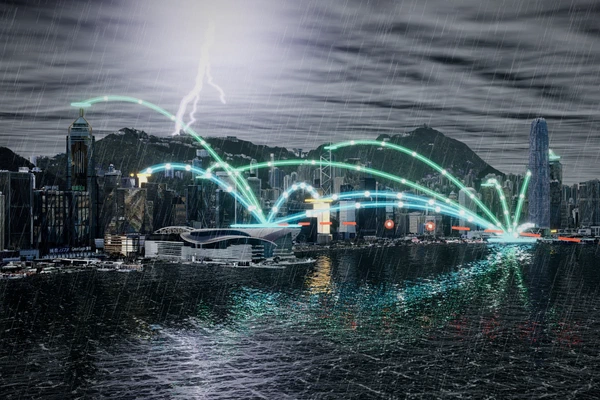
Climate-Resilient Urban Renewable Energy Networks
Investigating autonomous coordination among distributed renewable generation, buildings, energy storage, electric vehicles, and urban energy networks under climate extremes. We study how multi-agent intelligence, physical energy interactions, and adaptive control enhance energy resilience, service continuity, and system recovery.
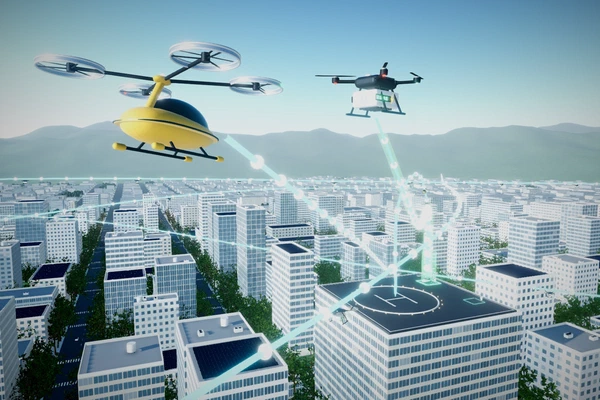
Low-Altitude Energy & Mobility Systems
Exploring the coupling among low-altitude mobility, onboard energy constraints, and ground-based energy infrastructure. We investigate energy-aware autonomous missions, intelligent charging and storage coordination, and adaptive energy management for UAVs, future eVTOL systems, and low-altitude mobility networks.
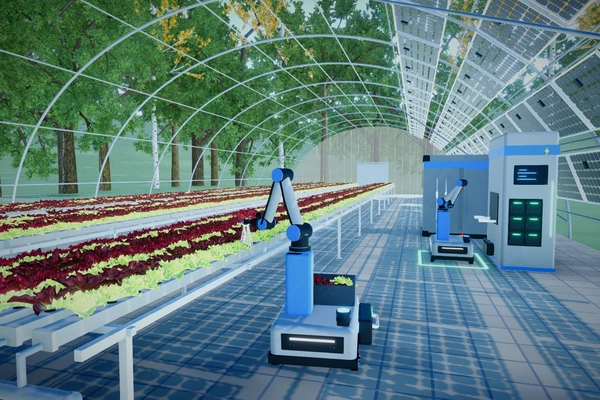
Energy-Integrated Smart Agriculture
Exploring embodied intelligence in coupled agricultural energy, environmental, and biological systems. We investigate how intelligent perception, physics-grounded world models, and autonomous physical control can coordinate energy supply, environmental regulation, water use, and crop growth for efficient and adaptive agricultural operations.